DABBA TRADING ID Setup Guide: How to Start Trading Online in India
In the fast-moving world of Indian financial markets, traders are constantly searching for platforms that offer speed, reliability, and actionable insights. One term that has gained significant traction among market participants is the DABBA TRADING ID. This identifier acts as your gateway to a streamlined trading experience, allowing you to access market data and execute trades with efficiency. For anyone looking to understand how to begin their journey in online trading, grasping the concept of this trading ID is the first critical step.
The Indian trading ecosystem has evolved dramatically over the past decade. What was once dominated by traditional brokerage calls and physical paperwork has transformed into a digital-first environment. Within this landscape, dabba trading has emerged as a popular alternative for those seeking faster execution and flexibility. However, with this popularity comes the need for a secure and structured approach. A dedicated trading ID ensures that your transactions are tracked, your preferences are saved, and your market access is streamlined, all within a robust digital framework.
This comprehensive guide will walk you through everything you need to know about obtaining and utilizing a trading ID effectively. From understanding the basic prerequisites to navigating the features of a modern trading app, we will cover the essential aspects that every Indian trader should know. Whether you are a novice exploring market opportunities or a seasoned investor looking for a more agile platform, this article will provide the clarity you need to proceed with confidence.
Understanding the Fundamentals of a Trading ID
Before diving into the technicalities, it is essential to clarify what a trading ID represents in the context of online platforms. Essentially, it is your unique digital credential that links you to the trading ecosystem. It is not merely a username; it is a comprehensive profile that includes your account settings, transaction history, and access permissions. When you register with a platform like DABBA TRADING, this ID becomes the key to unlocking the platform’s full suite of tools.
The importance of this ID cannot be overstated. In a market where milliseconds can determine the difference between profit and loss, having a streamlined authentication process ensures that you can focus on strategy rather than administrative hurdles. Furthermore, a well-structured ID system enhances security. It ensures that only authorized individuals can access the trading dashboard, protecting your capital and personal information from unauthorized access. For traders who operate frequently, this security layer is not just a feature; it is a necessity.
Moreover, the concept of a trading ID bridges the gap between user convenience and regulatory compliance. While the platform handles the backend complexities, your ID serves as the front-facing element that simplifies your interactions. It allows you to monitor your open positions, review past trades, and adjust your risk parameters without needing to contact support for every minor query. This level of autonomy is what modern traders expect, and it is precisely what a well-implemented ID system delivers.
Key Prerequisites for Obtaining Your Trading ID
To successfully create your trading ID, there are several prerequisites you must meet. First and foremost, you need to be of legal trading age in India, which is 18 years. Additionally, you will need to provide standard KYC (Know Your Customer) documentation. This typically includes a government-issued photo ID such as an Aadhaar card or PAN card, along with proof of address and a recent passport-sized photograph. These documents are crucial for verifying your identity and ensuring that the platform complies with financial regulations.
Beyond documentation, you will need a stable internet connection and a compatible device. Most modern platforms, including the MCX DABBA TRADING interface, are optimized for both desktop and mobile use. This flexibility allows you to manage your trades from anywhere, whether you are at home, in the office, or on the move. It is also advisable to have a dedicated email address and mobile number that you use exclusively for financial transactions. This helps in maintaining a clear communication channel for alerts, OTPs, and account updates.
Another prerequisite that is often overlooked is financial readiness. While creating an ID is typically free, you will need to fund your trading account to begin executing trades. Understanding the minimum deposit requirements and the available payment methods is essential. Most platforms support UPI, net banking, and major credit/debit cards, making it convenient for Indian users to transfer funds. By preparing these elements in advance, you can ensure a smooth and uninterrupted onboarding process.
Step-by-Step Process to Create Your Trading ID
The process of creating your trading ID is designed to be intuitive, but it requires attention to detail. The first step involves visiting the official platform website or downloading the mobile application. Once you are on the registration page, you will be prompted to enter your basic details, including your name, email address, and phone number. After submitting this information, you will receive a one-time password (OTP) to verify your contact details.
Following verification, you will be directed to the KYC section. Here, you will need to upload clear scans or photographs of your identification documents. The platform’s system will automatically read the details from these documents to populate your profile. It is crucial to double-check this information for accuracy, as discrepancies can lead to delays in account activation. After the KYC process, you will set up your login credentials, which include a strong password and, optionally, a two-factor authentication method for enhanced security.
The final step is linking your bank account. This is necessary for depositing funds and withdrawing profits. The platform will guide you through the bank verification process, which may involve a small test deposit or an instant verification via your net banking credentials. Once your bank account is confirmed, your trading ID becomes fully active. You can then log in to the DABBA TRADING APP dashboard, where you will find a variety of tools and charts designed to help you make informed decisions.
Maximizing the Benefits of Your Trading Dashboard
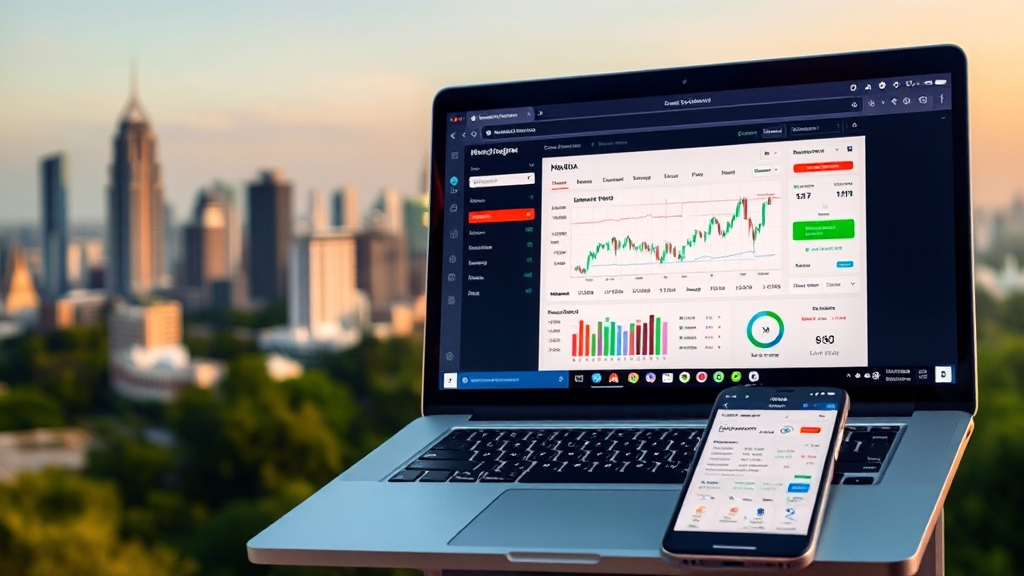
Once your ID is active, the real work begins. A modern trading dashboard is a treasure trove of information, and knowing how to navigate it effectively can significantly enhance your trading performance. The primary feature you will interact with is the live market feed. This displays real-time prices for various instruments, allowing you to track movements as they happen. Customizing this feed to display your preferred instruments is a key step in optimizing your workflow.
In addition to price feeds, the dashboard provides access to advanced charting tools. These tools allow you to perform technical analysis, identify trends, and spot potential entry and exit points. For traders who rely on indicators such as moving averages or RSI, having these tools integrated into the platform is a significant advantage. The DABBA TRADING SITE offers these features with a focus on speed, ensuring that your charts update without lag, which is critical during volatile market sessions.
Another critical aspect of the dashboard is order management. Here, you can place new orders, modify existing ones, and cancel pending orders. Understanding the different order types—such as market orders, limit orders, and stop-loss orders—is essential for effective risk management. The platform’s interface is designed to make this process straightforward, reducing the cognitive load on the trader. By mastering these dashboard functions, you can execute your trading strategy with precision and confidence.
Security Best Practices for Your Trading Account
In the digital age, security is paramount, and this holds especially true for financial accounts. Your trading ID is a valuable asset, and protecting it should be your top priority. The first line of defense is a robust password. Avoid using easily guessable information such as birthdays or names. Instead, opt for a complex combination of uppercase and lowercase letters, numbers, and special characters. Changing this password periodically adds an extra layer of protection.
Two-factor authentication (2FA) is another non-negotiable security measure. This requires you to enter a code sent to your registered mobile number or generated by an authenticator app in addition to your password. This ensures that even if your password is compromised, unauthorized access is still prevented. Always ensure that your mobile number is up to date with the platform to avoid being locked out of your account.
Furthermore, be vigilant about phishing attempts. Scammers often create fake websites or send emails that mimic legitimate platforms to trick users into revealing their credentials. Always double-check the URL of the website you are visiting and never click on suspicious links. The official platform will never ask for your password via email or phone. By adhering to these best practices, you can trade with peace of mind, knowing that your funds and data are secure.
Common Pitfalls to Avoid as a New Trader
Entering the world of online trading is exciting, but it is also fraught with potential mistakes. One of the most common pitfalls is overtrading. The ease of execution provided by modern platforms can lead traders to place excessive trades, often driven by emotion rather than logic. This not only increases transaction costs but also amplifies losses. It is crucial to stick to a well-defined trading plan and avoid impulsive decisions.
Another mistake is neglecting risk management. Many new traders focus solely on potential profits and ignore the possibility of losses. Setting a stop-loss order for every trade is a fundamental practice that limits your downside. Additionally, you should never risk more than a small percentage of your capital on a single trade. This ensures that a string of losses does not wipe out your entire account.
Lastly, failing to keep a trading journal is a missed opportunity for growth. Recording your trades, including the rationale behind them and the outcome, allows you to analyze your performance over time. This helps you identify patterns in your behavior, both positive and negative, and refine your strategy accordingly. By avoiding these common pitfalls, you can build a sustainable and profitable trading career.
Frequently Asked Questions (FAQ)
Is a DABBA TRADING ID different from a regular brokerage account?
Yes, it is a specialized identifier tailored for the dabba trading platform, which focuses on providing a specific trading experience with unique features and execution speeds. It functions as your access credential to that specific ecosystem, separate from traditional brokerage accounts.
How long does it take to activate my trading ID after registration?
The activation time typically depends on how quickly you complete the KYC and bank verification processes. If you submit clear documents and your bank supports instant verification, your ID can be activated within a few hours. In some cases, it may take up to 24-48 hours for manual review.
Can I use the same trading ID on multiple devices?
Yes, you can log in to your trading account from multiple devices, including your smartphone, tablet, and desktop computer. However, it is advisable to log out from devices you do not use regularly to maintain optimal security.
What should I do if I forget my trading ID password?
You can easily reset your password by clicking on the ‘Forgot Password’ link on the login page. You will be required to verify your identity using your registered email or mobile number via an OTP, after which you can set a new password.
In conclusion, obtaining and utilizing a DABBA TRADING ID is a straightforward process that opens the door to a dynamic trading environment. By understanding the prerequisites, following the setup steps diligently, and adhering to security best practices, you can position yourself for success in the Indian markets. The platform’s focus on speed and real-time data empowers you to act decisively. As you embark on this journey, remember that continuous learning and disciplined execution are the true keys to long-term profitability. Start your journey today and experience the difference that a dedicated trading platform can make.